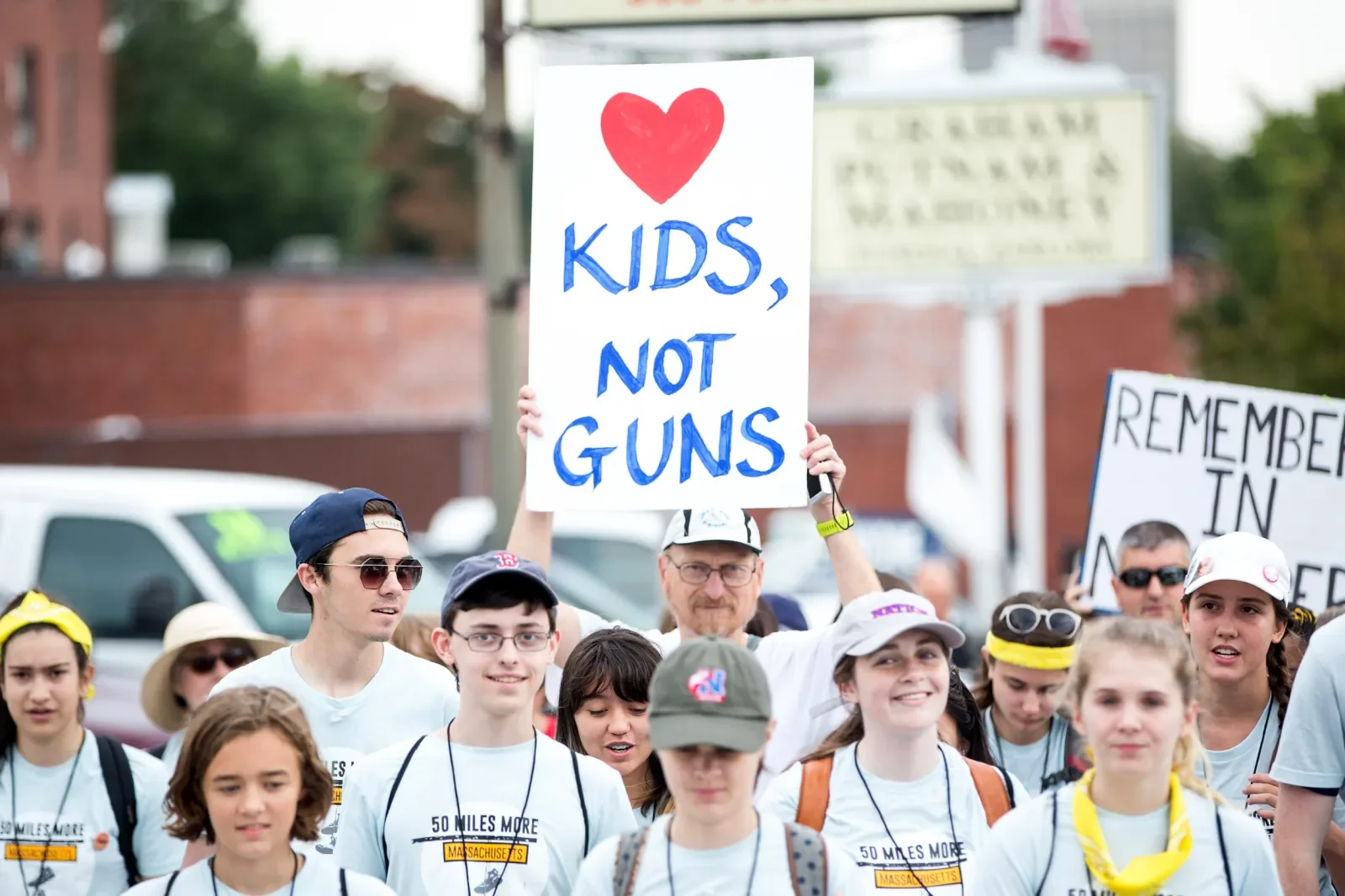
School Shooter’s Viral TikTok About Gun Prevention Sparks Outrage
By: Natalie Venegas
A convicted school shooter has recently gone viral on TikTok for advocating for school shooting prevention, sparking outrage from many as they call out his crimes and his distressing use of the platform, but he told Newsweek he believes in what he's doing.
In 2004, Jon Romano, a 16-year-old student, opened fire at Columbia High School in East Greenbush, New York, where he wounded a teacher in the leg and spread fear among thousands of children and parents. Romano was arrested, convicted and sentenced to 20 years in prison. He served a little over 15 years in prison before being released in December 2020.
Since being freed, Romano has taken to TikTok to share his life and more recently speak on school shooting prevention.
"My goal is not redemption for the school shooting I committed, my goal is prevention of other school shootings. That's why I'm on here, that's why I share," Romano said on his TikTok video.
The videos of Romano have garnered attention, causing many, including parents and teachers, to question his use of the platform. His critics allege he is choosing to build his platform off of the trauma he caused while seemingly advocating for the prevention of school shootings.
In response to the increasing attention Romano has received, teacher, parent and TikTok user "You can call me Kait" posted a video sharing her experience as an educator. She said there are people who are never going to feel safe again because of Romano and that he should not be allowed to have a platform to speak on it.
"This man should not have a platform. You said that your victims are retraumatized every time there's a mass event. Don't you think just seeing you is triggering? I don't believe you for a second that you actually want to help. You just want attention," the caption on the video read.
There have been at least 54 school shootings in the United States so far this year as of September 28. Of those, 37 were on K-12 school grounds and the incidents have left at least 27 people dead and more than 58 injured, according to CNN's analysis of events reported by the Gun Violence Archive, Education Week, and Everytown for Gun Safety.
While an increase in school shootings across the country continues, many condemn Romano and his use of the social media platform.
"Gonna be real honest, Jon Romano doesn't deserve a TikTok platform. Idc if he's 'changed', having that platform is going to be more harmful than good when every year school shootings are on such a high rise in the states. One of the closest people in my life was in a public shooting, and no one deserves to be re-traumatized or encouraged by his behavior because he's seeking redemption (even tho he's lying and saying he isn't)," Mythic Meebo wrote on X.
In response to the backlash, Romano told Newsweek he weighed up if publicly speaking out would do more harm than good, but believes he is helping by sharing his story.
"Despite the current backlash I am receiving, which I completely understand, I also continue to get a lot of people reaching out to me thanking me for what I do. Some of those same parents, teachers and even students who are frustrated with the lack of change, believe I can help save lives," Romano said in a statement to Newsweek.
"I can never undo what I have done, the pain and trauma that I have caused upon so many, but I am working towards preventing others from experiencing that same pain and suffering," Romano added.
At the time of publication, Romano has turned off comments on his TikTok page.
Newsweek has reached out to school shooting advocacy groups Everytown and Protect Our Schools for comment.
Trump Administration Reverses Course, Will Restart Legal Aid for Migrants
By: Natalie Venegas
The U.S. Department of Justice (DOJ) reversed a recent order preventing legal aid groups from providing services to immigrants in federal detention centers and immigration courts.
Newsweek reached out to the DOJ via an online email form for comment.
Why It Matters
The initial move, in which a DOJ memo told legal providers to "stop work immediately," appeared to be one of several made by the new administration to enact tough-on-immigration policies promised by the new president. Many undocumented migrants require court hearings to have their cases determined, but the system can be complicated and confusing, especially for those with little money or who speak little English.
Under Trump's executive order issued last week, "Protecting the American People Against Invasion," the secretary of Homeland Security was ordered to review funding provided to nongovernmental organizations "supporting or providing services, either directly or indirectly, to removable or illegal aliens." The order asked that funds should be paused while audits took place.
What to Know
In a January 22 memo, the DOJ instructed legal service providers to "stop work immediately" on four federally funded programs assisting detained immigrants, including the Legal Orientation Program, which has been backed by Congress since 2003. The other programs affected were the Immigration Court Helpdesk, Counsel for Children Initiative and the Family Group Legal Orientation Program.
These federal programs provide legal support to migrants who are detained, or in the process of being detained, to help them understand what to expect during their court proceedings, navigate the paperwork needed and find counsel where possible.
The abrupt halt to these services, which came at a time when over 3.5 million cases are sitting in the department's backlog, sparked immediate backlash from immigrant rights advocates, and the Amica Center for Immigrant Rights and other nonprofit immigrant rights organizations sued the Trump administration on Friday, saying the DOJ's stop-work order was illegal.
Just days after the Trump administration was sued for freezing these programs the DOJ reversed the order on Sunday, according to the Amica Center.
Speaking to Newsweek on Wednesday, Adina Appelbaum, program director at the Amica Center, said they believe the order was rescinded in response to the lawsuit.
"Less than two days later, on Sunday, we received notice that the DOJ rescinded the stop work order and we believe that was in response to the lawsuit," Appelbaum said.
In addition, according to the Texas Tribune, the Acacia Center for Justice pointed towards a ruling in a different lawsuit in which a federal judge ordered the Trump administration to restore federal funding for grants and other programs that it had abruptly frozen.
However, despite the DOJ's reversal, according to Appelbaum, concerns still remain as they fear another stop order could be made.
"We fear that this fight is not over despite rescinding the stop work order. The Trump administration has a long history of trying to attack these legal access programs that dates back to 2018. So we must continue the lawsuit and also advocacy on the hill to prevent further attacks on due process and legal access for immigrants who are detained."
What People Are Saying
Appelbaum told Newsweek on Wednesday: "The LLP program in detention centers is the only way that immigrants who are detained and unrepresented by counsel have any access to the even most basic legal information about why they are detained, what's happening, understanding that they are getting to deported and what their legal rights are."
Shaina Aber, executive director of the Acacia Center for Justice, told the Texas Tribune on Tuesday: "We welcome the news that the stop-work order on Acacia's legal access programs has been lifted. We will continue working alongside the Department of Justice to ensure that these critical services and bastions of due process are fully restored and our partners in the legal field can resume their work without future disruption or delay."
Greg Chen, senior director of government relations with the American Immigration Lawyers Association, previously told Newsweek: "My concern is if they pause it for an extended period of time, let's say several months, then the nonprofit organizations or the legal service providers aren't going to get paid. They're going to lose staff, lose capacity. It's like not watering your lawn in the middle of summer for two months and expecting to come right back and your lawn to be green again. The lawn will die."
What Happens Next
While the reversal allows legal aid to continue, groups like Acacia and the Amica Center have vowed to continue to fight for immigrants' rights and challenge the Trump administration's actions to limit them. According to Appelbaum, the lawsuit will also continue to go forward in an effort to prevent another stop order from happening.
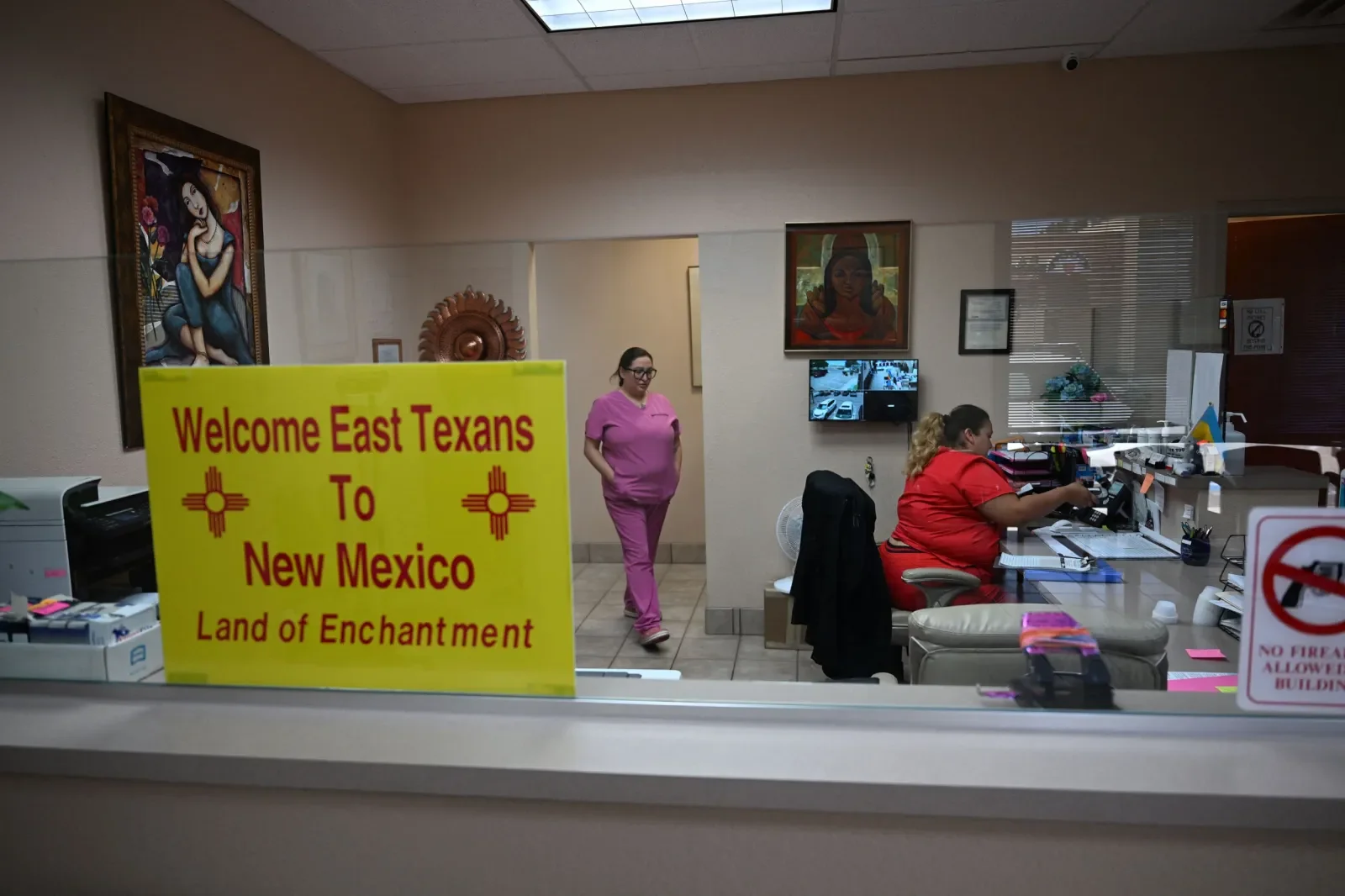
Texas Republicans Ban Women From Using Highways for Abortion Appointments
By: Natalie Venegas
Lubbock County, Texas, joins a group of other rural Texas counties that have voted to ban women from using their roads to seek abortions.
This comes after six cities and counties in Texas have passed abortion-related bans, out of nine that have considered them. However, this ordinance makes Lubbock the biggest jurisdiction yet to pass restrictions on abortion-related transportation.
During Monday's meeting, the Lubbock County Commissioners Court passed an ordinance banning abortion, abortion-inducing drugs and travel for abortion in the unincorporated areas of Lubbock County, declaring Lubbock County a "Sanctuary County for the Unborn."
The ordinance is part of a continued strategy by conservative activists to further restrict abortion since the U.S. Supreme Court overturned Roe v. Wade as the ordinances are meant to bolster Texas' existing abortion ban, which allows private citizens to sue anyone who provides or "aids or abets" an abortion after six weeks of pregnancy.
The ordinance, which was introduced to the court last Wednesday, was passed by a vote of 3-0 with commissioners Terence Kovar, Jason Corley and Jordan Rackler, all Republicans, voting to pass the legislation while County Judge Curtis Parrish, Republican, and Commissioner Gilbert Flores, Democrat, abstained from the vote.
At the helm of legislation and the campaign to ban abortion-related transit in Texas is Mark Lee Dickson, a Christian pastor who began pushing communities to outlaw abortion by declaring themselves "sanctuary cities for the unborn" in 2019.
In a statement emailed to Newsweek, Dickson stressed the importance of the ordinance while stating that the travel-related restrictions on abortion, which he refers to as "abortion trafficking," is worthy of being placed in every state in America.
"This ordinance does not interfere with anyone's right to travel - neither the born or the unborn. This ordinance prohibits abortion trafficking, which like sex trafficking, is a great evil in our country worthy of being abolished in every single state in America. The ordinance is enforceable through the private enforcement mechanism which has proven its success in both the Lubbock City Ordinance and the Texas Heartbeat Act. This is how the ordinance is enforced," the statement said.
In response to the ordinance, Planned Parenthood of Greater Texas said in a press release emailed to Newsweek the decision adds another layer of complexity to an already challenging landscape for individuals seeking essential healthcare services.
"Texans already live under some of the most restrictive and dangerous abortion bans in the country, yet anti-abortion extremists continue to push additional unnecessary, confusing, and fear-inducing barriers to essential healthcare," Autumn Keiser, Spokesperson for Planned Parenthood of Greater Texas said. "Though banned from providing abortions by Texas' statewide bans, the Planned Parenthood Health Center in Lubbock is a trusted resource for reproductive and sexual healthcare and education for West Texans in Lubbock and surrounding communities.
"With high rates of uninsured residents and sexually transmitted infections in Lubbock County, Planned Parenthood is focused on ensuring that Texans can access high-quality, affordable healthcare safely and without the stigma and judgment that these political ordinances create," Keiser added.
However, abortion rights supporters believe the transport bans will backfire on the anti-abortion movement as abortion rights advocates continue to fight against them as they head into the 2024 elections.
"We're going to make sure that there are political and electoral consequences for this," Rachel O'Leary Carmona, executive director of the Women's March activist organization, told Reuters.
Lubbock's ordinance also comes as Amarillo City Council is expected to weigh its own abortion-related bans on Tuesday, according to Amarillo Globe-News.
This is particularly significant as Lubbock and Amarillo are both traversed by major highways that connect Texas to New Mexico, where abortion is legal.
Voters in the city of Lubbock previously approved of a "sanctuary city" proposition in May of 2021.
In response to the May 2021 decision in Lubbock, Planned Parenthood of Greater Texas said in a press release, "The Lubbock ordinance approved on May 1, 2021 establishes an abortion ban for Lubbock residents, creating significant barriers and the need to travel a minimum 600 mile round trip or out of state to obtain an abortion...Access to healthcare services, including abortion, should not be determined by someone's zip code, especially when these restrictions will disproportionately impact low income women and women of color. We remain committed to advocating for access to abortion for any Texan, including here in Lubbock."
The continued fight over abortion restrictions in Texas began after Republican Governor Greg Abbott signed into law one of the nation's strictest abortion measures, banning procedure as early as six weeks into a pregnancy in 2021.
"Our creator endowed us with the right to life and yet millions of children lose their right to life every year because of abortion," Abbott said in a bill signing ceremony, captured on videos posted on social media.
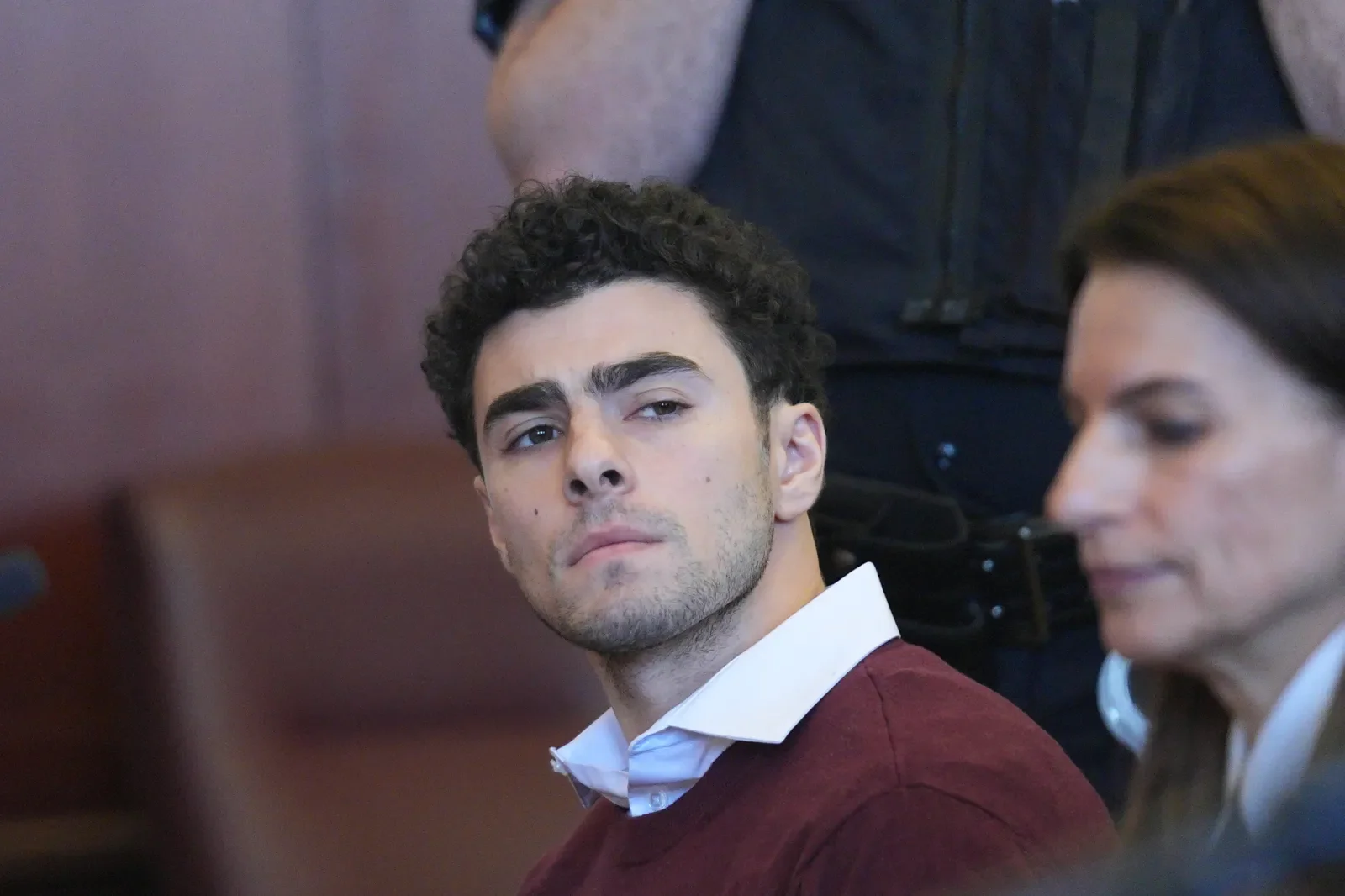
Luigi Mangione: Nearly 30 Percent ‘Understand’ Anger at UnitedHealthcare
By: Natalie Venegas
Nearly 30 percent of registered voters believe the shooting death of UnitedHealthcare CEO Brian Thompson was wrong, but "understand" Luigi Mangione's, the suspect charged with Thompson's murder, alleged anger at the health insurance company, according to a new poll.
Newsweek has reached out to Mangione's legal team via email for comment on Saturday.
Why It Matters
Reactions to Mangione's arrest have captured and polarized the United States after a significant amount of the American public indicated they may be supportive of the 26-year-old suspect. Many have come to view Mangione as a sort of folk hero—expressing their outrage and frustration with the U.S.'s private health insurance industry. Others condemn him for his alleged crimes, which could result in life in prison and possibly the death penalty if he's convicted.
Since he first faced murder and terrorism charges over the killing of Thompson, a 50-year-old father of two on December 4 in New York City, Mangione has received social media posts in support, comments about his attractiveness, young women attending court sessions and even depictions comparing him to Jesus.
Mangione has pleaded not guilty to New York state and federal murder and weapon charges, among other charges. He's currently being held at a federal prison in Brooklyn after being extradited from Pennsylvania where he was arrested at an Altoona McDonald's following a five-day manhunt.
What To Know
The USA Today/Suffolk University poll conducted between January 7 to 11 found 28.50 percent of registered voters believe the shooting was wrong, but "understand the alleged shooter's anger with the healthcare system"
In addition, 64.60 percent of registered voters believe the shooting was wrong and the person who did it should be prosecuted to the full extent of the law.
The poll of 1,000 registered voters, taken by landline and cellphone, has a margin of error of plus or minus 3.1 percentage points.
A December poll found that a majority of college students believe that Mangione should be sentenced to time in prison if convicted.
If Mangione is found guilty—according to a poll conducted by College Pulse and shared with Newsweek—32 percent of survey participants said he should be sentenced to life imprisonment with the possibility of parole; 14 percent chose life imprisonment without the chance of parole; 26 percent preferred a fixed-term prison sentence; and 2 percent believed he should get the death penalty. The remaining respondents chose "other" or "no opinion."
Meanwhile, a NORC at the University of Chicago poll conducted between December 12 and 16 found roughly 7 in 10 adults believe that the profits or coverage denials by health insurance companies bear "a great deal" or "moderate amount" of responsibility for Thompson's murder. And about 8 in 10 adults believe Mangione bears a "great deal" or "moderate amount" of blame for the murder.
The polls come as health care has been a point of contention amid the 2024 election with President-elect Donald Trump approaching his time in office as conservatives have long targeted Medicaid and the Affordable Care Act as areas to cut government spending.
"During the first Trump administration, one of the key priorities was reversing the Affordable Care Act," Alex Beene, a financial literacy instructor for the University of Tennessee at Martin, previously told Newsweek. "That ultimately didn't happen, as some Republican senators felt there was no plan to replace it and dropping coverage from that many Americans overnight could prove disastrous. Whether or not it happens during a second term is difficult to tell."
What People Are Saying
Dr. Cliff Lampe, professor of information and associate dean for academic affairs in the School of Information at the University of Michigan, previously told Newsweek: "With the Mangione posts, we're seeing a form of publishing related to a broader societal dissatisfaction with the status quo."
He added: "With both increased income inequality and at least a perceived sense of lack of agency around corporate power, people turn to social media expression to vent and engage in a flexible dialog about societal issues. Through darkly humorous posts, expressions of admiration, sarcasm and other forms of rhetoric, people are rebuilding a sense of agency by reacting to their personal audiences."
Susan Campbell, distinguished lecturer in the Department of Communications, Film, and Media Studies at the College of Arts and Sciences at the University of New Haven, previously told Newsweek: "People like Luigi Mangione become folk heroes when people feel powerless against systems they feel have failed them. The health insurance industry has let so many people down, and then up steps this young man to shoot one of the industry's leaders."
NYPD Commissioner Jessica Tisch told reporters after Mangione was indicted on state charges that authorities "have seen a shocking and appalling celebration of cold-blooded murder.”
"Let me say this—plainly there is no heroism in what Mangione did," she added.
What Happens Next
Mangione is currently being held without bail in Brooklyn's Metropolitan Detention Center. Prosecutors have indicated the federal and state cases will proceed on parallel tracks, with the state charges likely reaching trial first. Mangione's next state court appearance is scheduled for February 21, while both cases move forward in tandem.
As Trump will be inaugurated on Monday, it remains unclear what changes he will make to the health care industry.